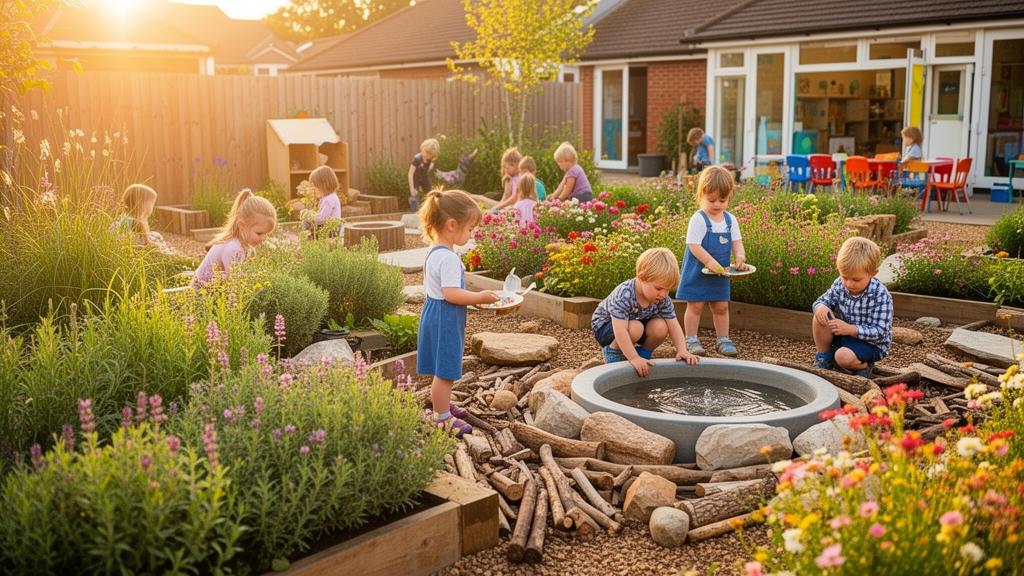
What Is Sensory Play?
Sensory play is any activity that stimulates a child's senses — touch, smell, taste, sight, hearing, movement, and balance. It's one of the most effective ways children learn about their environment during the early years.
From squishing playdough to splashing in water, children are natural sensory explorers. At Marylebone Village Nursery, sensory play is woven into every part of the day, both indoors and in our outdoor spaces.
Why Sensory Play Is Important for Development
Research shows that multi-sensory experiences strengthen neural pathways in the brain. When children engage their senses together, they develop stronger cognitive, language, and motor skills.
- Builds nerve connections in the brain that support complex learning
- Develops fine and gross motor skills through hands-on exploration
- Supports language development as children describe what they experience
- Encourages problem-solving and scientific thinking
- Helps with emotional regulation and calming anxiety
- Strengthens memory and attention span
How Sensory Play Links to the EYFS
The EYFS framework recognises sensory exploration as fundamental to early learning. Sensory activities naturally cover multiple areas of learning — from "Understanding the World" to "Physical Development" and "Communication and Language."
Sensory Play Ideas for Different Ages
Babies (3–12 months)
Treasure baskets filled with natural objects like wooden spoons, fabric scraps, and pine cones. Water play with warm and cool temperatures. Textured mats for tummy time exploration.
Toddlers (1–2 years)
Sand and water tables, finger painting with edible paints, sensory bins with dried pasta or rice, and mud kitchen play. These activities build fine motor control and encourage imaginative play.
Preschoolers (2–5 years)
Nature scavenger hunts, herb garden exploration, cooking activities, and more complex construction with clay and natural materials. Our Forest School sessions are rich with sensory opportunities.
Sensory Play at Marylebone Village Nursery
Our Montessori-inspired curriculum naturally incorporates sensory learning. Children work with specially designed materials that isolate individual senses — rough and smooth boards, colour tablets, sound cylinders, and more.
Outdoors, our garden and Forest Explorers programme offer daily opportunities for mud play, water exploration, gardening, and nature crafts.
Tips for Sensory Play at Home
- Use everyday materials: rice, pasta, water, sand, and flour
- Let children lead — follow their curiosity rather than directing
- Play alongside them and narrate what you see to build vocabulary
- Accept mess as part of the learning process
- Rotate materials to keep experiences fresh and engaging
Experience Sensory Learning First-Hand
Visit us to see how we bring sensory play into every part of the nursery day.