Why Choose an Eco-Friendly Nursery?
Eco-friendly nurseries reduce children's exposure to harmful chemicals, provide healthier nutrition through sustainable food choices, and instil environmental values from an early age. Research shows children in green settings have better health outcomes and develop stronger connections to nature.
As parents become more conscious of environmental impact, many are seeking nurseries that share their values. At Marylebone Village Nursery, sustainability isn't an afterthought—it's central to everything we do.
Benefits of Eco-Friendly Childcare
Sustainable nursery practices benefit children, families, and the planet:
Healthier Environments
- Natural cleaning products reduce exposure to harsh chemicals
- Organic materials for toys and learning resources
- Better air quality through plants and natural ventilation
Nutritious, Sustainable Food
Food choices significantly impact both children's health and the environment. At Marylebone Village Nursery, we're a vegetarian nursery rooted in respect for the environment and all living things.
Our approach includes:
- Vegetarian meals prepared fresh daily by our catering partner
- Organic ingredients wherever possible
- Seasonal produce to reduce food miles
- Minimal food waste through careful planning
Learn more about our nutrition philosophy on our Food for Thought page.
Environmental Awareness from Day One
Children who grow up in eco-conscious environments naturally develop respect for nature. They learn that their choices matter and that caring for the planet is everyone's responsibility.
Key Features of an Eco-Friendly Nursery
When evaluating nurseries for sustainability, look for these practices:
Outdoor Learning and Nature Connection
The most sustainable education happens outdoors. Forest school practices teach children to appreciate and protect nature through direct experience.
Read our complete guide to forest schools for kids.
Sustainable Resources and Materials
- Natural play materials — wood, cotton, wool instead of plastic
- Recycled craft supplies — repurposing everyday items for art
- Energy-efficient facilities — LED lighting, proper insulation
- Water conservation — rainwater collection, efficient fixtures
Teaching Sustainability Through Play
Children learn best through hands-on experience. Eco-friendly nurseries incorporate sustainability into daily activities:
- Composting — children help compost food scraps
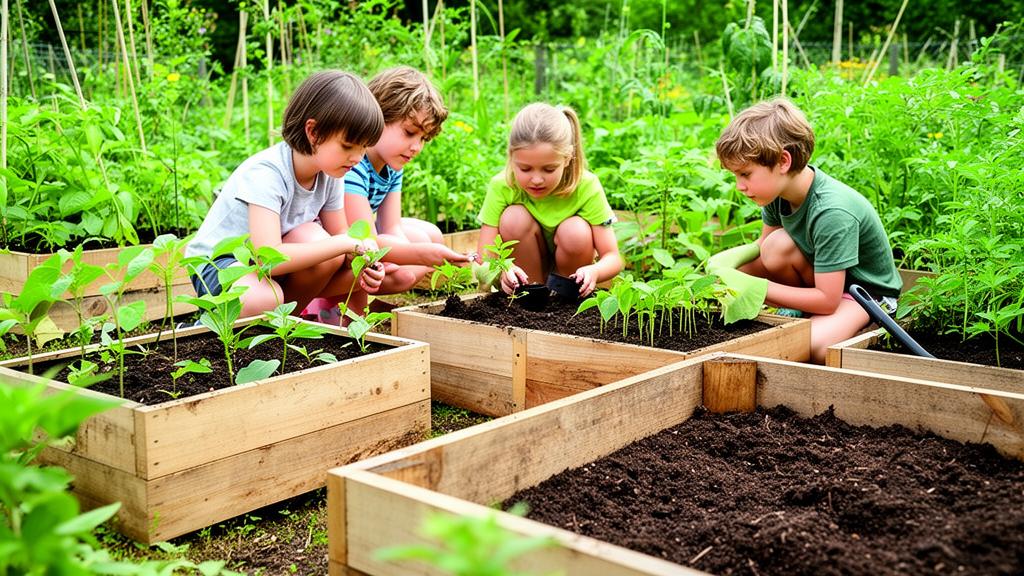
- Gardening — growing vegetables and herbs
- Wildlife care — bird feeders, bug hotels
- Recycling activities — sorting and repurposing materials
How Sustainability Connects with Montessori
Montessori education naturally aligns with environmental values. The emphasis on natural materials, practical life skills, and respect for the world around us creates a foundation for sustainable living.
Learn more about how we integrate sustainability with the Montessori approach.
Extending Eco-Friendly Practices at Home
Consistency between nursery and home reinforces environmental values. Simple practices make a difference:
- Involve children in recycling and composting
- Choose wooden toys over plastic when possible
- Walk or cycle instead of driving short distances
- Spend time in nature — parks, gardens, countryside
- Reduce food waste and discuss why it matters
Choosing an Eco-Friendly Nursery in London
When looking for a sustainable nursery, ask about:
- Food policy — where food is sourced, dietary options
- Outdoor time — how often children are outside
- Materials used — what toys and resources are available
- Environmental education — how sustainability is taught
See how we structure our daily routine to include outdoor learning and sustainable practices.
Conclusion
Choosing an eco-friendly nursery gives your child a healthier environment, nutritious food, and values that will serve them throughout life. When children learn to respect and protect nature from an early age, they become stewards of the planet for future generations.
At Marylebone Village Nursery, sustainability is at our core. Book a visit to experience our eco-friendly approach to early years education.