Why Outdoor Play Matters
Children today spend less time outdoors than any previous generation. Yet research consistently shows that outdoor play is essential for healthy development. Here are ten evidence-based reasons to prioritise time outside.
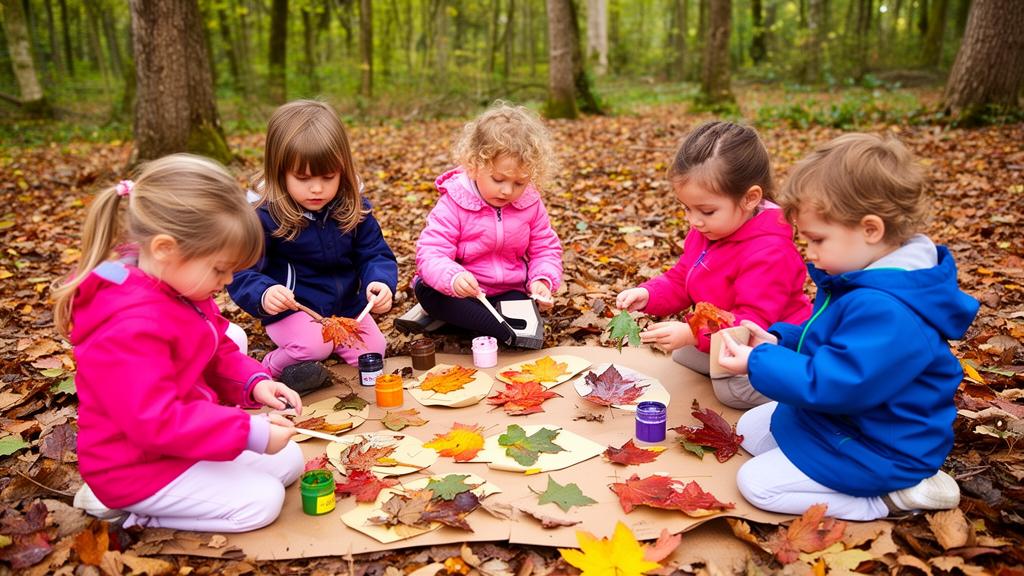
At Marylebone Village Nursery, outdoor play isn't an add-on — it's central to everything we do. Our Forest School programme ensures children spend meaningful time in nature every single day.
The 10 Key Benefits
1. Stronger Physical Health
Running, climbing, jumping, and balancing outdoors builds strength, coordination, and cardiovascular fitness. Children who play outside regularly have healthier body weight and stronger immune systems.
2. Better Mental Wellbeing
Nature has a calming effect on children. Studies show that even 20 minutes outside reduces stress hormones and improves mood. Outdoor play helps children manage emotions and build resilience.
3. Enhanced Creativity & Imagination
Unlike structured indoor toys, natural environments are open-ended. A stick becomes a wand, a den becomes a castle. This unstructured play sparks imagination in ways screens cannot.
4. Improved Concentration
Research from the University of Michigan found that time in nature improves attention and focus by up to 20%. Children who play outside regularly concentrate better in classroom activities.
5. Stronger Social Skills
Outdoor play encourages cooperative games, negotiation, and teamwork. Children learn to share space, take turns, and resolve conflicts naturally.
6. Risk Assessment & Confidence
Climbing trees, balancing on logs, and navigating uneven ground teaches children to assess and manage risk. This builds confidence and self-reliance.
7. Science & Environmental Awareness
Watching seasons change, observing insects, planting seeds, and feeling rain all teach children about the natural world. This supports the EYFS area of 'Understanding the World.'
8. Language & Communication
New outdoor experiences give children more to talk about. Describing textures, colours, sounds, and movements expands vocabulary and narrative skills.
9. Better Sleep
Exposure to natural light and physical activity outdoors helps regulate circadian rhythms. Children who play outside sleep more soundly and for longer.
10. Connection with Nature
Children who spend time in nature develop a lifelong appreciation for the environment. This aligns with our eco-friendly values and sustainability mission.
How We Make Outdoor Play Happen Every Day
Whatever the weather, our children go outside. Our daily schedule includes dedicated outdoor time, and our eco-friendly approach means children learn to respect and care for their outdoor spaces.
Tips for More Outdoor Play at Home
- Dress for the weather — there's no bad weather, only wrong clothing
- Visit local parks, gardens, and nature reserves regularly
- Let children get muddy, wet, and messy — it's part of the learning
- Provide simple tools: magnifying glasses, buckets, and watering cans
- Join in! Children are more adventurous when adults play alongside them
See Our Outdoor Learning in Action
Book a visit to experience our gardens, Forest School sessions, and nature-based curriculum.